
You Need To Know Rooftop Unit Planning for Better Building Performance
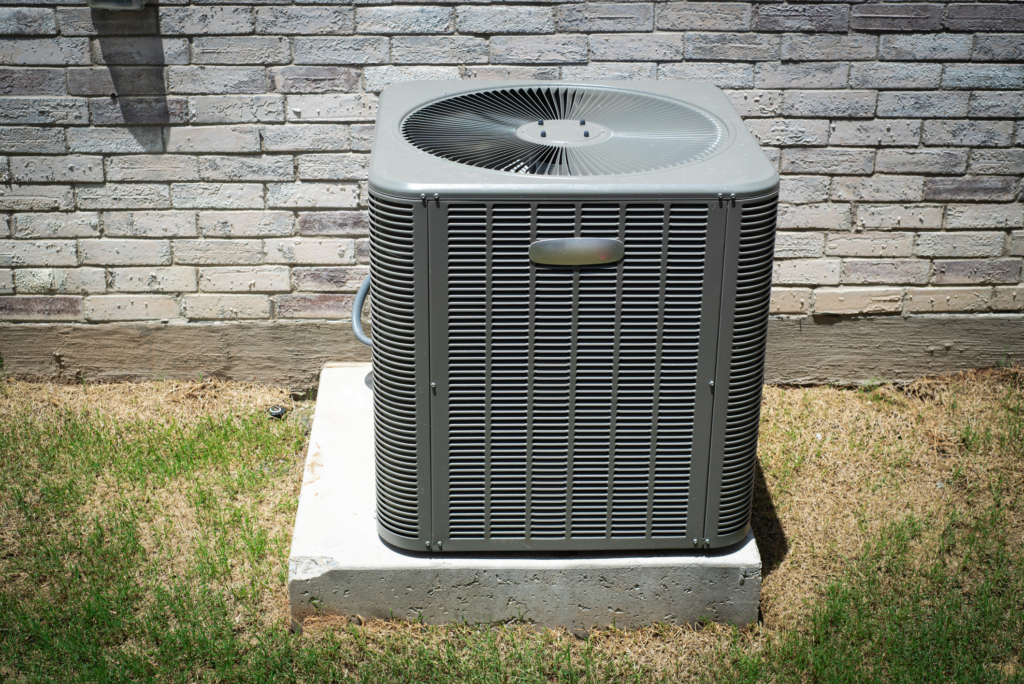
Rooftop units are easy to overlook because most people rarely see them. They sit above the building, away from daily activity, quietly supporting heating, cooling, ventilation, and indoor comfort. However, the way these systems are selected, placed, accessed, and maintained can affect the entire building. That is why rooftop unit planning matters so much for commercial and industrial properties.
A rooftop unit is not just a piece of HVAC equipment placed on a roof. It is part of the building’s operating system. It affects comfort, energy use, air distribution, maintenance access, service costs, and equipment life. When planning is rushed, the unit may technically work, but it may not perform as efficiently or as reliably as it should.
For Alberta buildings, this planning becomes even more important. Weather can shift quickly. Heating demands can be heavy. Cooling needs can still matter during warm months. Snow, wind, roof access, curb placement, drainage, service space, and building use all need to be considered. Trane Canada Midwest helps building owners and facility teams look at rooftop HVAC equipment with a long-term perspective, so the system supports the building instead of becoming a repeated source of problems.
Why Rooftop Unit Planning Matters
Rooftop unit planning starts with understanding the building. A retail space, office, warehouse, industrial shop, restaurant, school, and multi-use property all have different comfort and ventilation needs. Even buildings of similar size may require different solutions based on occupancy, layout, operating hours, insulation, internal heat loads, and air distribution.
Choosing a rooftop unit only by size can create issues. An oversized unit may short cycle, waste energy, and struggle with humidity control. An undersized unit may run constantly and still fail to keep the space comfortable. A poorly located unit may create service challenges, noise concerns, or uneven airflow.
Good planning looks at more than the equipment nameplate. It considers how the system will operate through different seasons, how technicians will access it, how air will move through the building, and how future maintenance will be handled. This approach helps reduce surprises after installation.
Rooftop Unit Planning for Alberta Weather
Alberta weather places real demands on rooftop HVAC equipment. A system may need to perform through freezing temperatures, snow buildup, strong winds, spring temperature swings, summer heat, and dusty conditions. These conditions can affect performance and serviceability.
Cold weather is especially important. Heating reliability is not optional when a building depends on the rooftop unit planning for occupant comfort, equipment protection, or business operations. The unit needs to be selected and configured with the local climate in mind. Drainage, ventilation, combustion air, defrost operation, controls, and roof access can all become more important in winter.
Snow and ice also affect planning. Units need proper clearance and access so service technicians can inspect and maintain the system safely. If a rooftop unit is placed without considering snow accumulation, future service can become more difficult. Planning for real weather conditions helps protect both the system and the people who maintain it.
Access and Serviceability Should Be Planned Early
One of the most overlooked parts of rooftop unit planning is service access. A unit may be installed in a location that works from a layout perspective but creates problems when maintenance is needed. If technicians cannot safely reach panels, filters, electrical components, coils, belts, drains, or controls, routine service becomes slower and more difficult.
Serviceability affects cost and reliability. A system that is easy to inspect and maintain is more likely to receive proper care. A system that is difficult to access may lead to delayed maintenance, longer service visits, or avoidable equipment wear.
Important service rooftop unit planning details include:
- Safe rooftop access for technicians
- Enough clearance around service panels
- Practical filter replacement access
- Proper unit spacing near roof edges and obstacles
- Clear paths around curbs, drains, and other rooftop equipment
- Placement that supports future repair or replacement needs
These details may not seem exciting during the planning stage, but they matter for years after the unit is installed.
Matching the Unit to the Building’s Actual Use
A rooftop unit should match how the building is actually used. Some buildings have steady occupancy during business hours. Others have changing schedules, high ventilation needs, production areas, heat-generating equipment, or zones with different comfort demands. If the system does not reflect those conditions, performance can suffer.
For example, a restaurant may have high ventilation and heat load requirements because of kitchen equipment and customer traffic. A warehouse may need a different approach because large open spaces behave differently than smaller offices. A retail store may require consistent comfort near entrances where doors open frequently. An industrial shop may need durability and strong air movement.
This is why planning should include a practical review of building operations. The question is not only how many square feet the building has. The better question is how the building functions throughout the day. Trane Canada Midwest can help connect equipment planning with real operating conditions so the system is better suited to the space.
Energy Performance Starts With Better Decisions
Energy efficiency is often discussed after installation, but many efficiency outcomes are shaped during planning. Equipment sizing, controls, ventilation strategy, economizer use, staging, zoning, and maintenance access all affect long-term energy performance.
A rooftop unit that is properly matched to the building can operate more smoothly. It can reduce unnecessary cycling, support more consistent temperatures, and help avoid wasted energy. Advanced controls can also help the system respond better to schedules, occupancy, and changing outdoor conditions.
Efficiency does not come from one detail alone. It comes from the full system working together. A high-quality unit can underperform if ductwork, controls, ventilation, or maintenance are not considered. Better planning helps protect the investment by supporting performance from the start.
Controls Can Make the System Smarter
Modern rooftop units can be supported by controls that improve scheduling, monitoring, and operation. Controls can help building teams manage occupied and unoccupied periods, temperature setpoints, ventilation, alarms, and performance trends. This can be especially helpful for facilities with multiple units or changing usage patterns.
Without proper controls, a rooftop unit may run longer than needed, condition empty spaces, or fail to alert teams when performance changes. Smart control planning helps reduce waste and gives facility managers better visibility into system operation.
Controls are also useful for preventative maintenance. Performance changes can sometimes point to dirty filters, airflow concerns, sensor issues, or mechanical problems. When building teams can see those changes earlier, they can respond before comfort complaints or major failures occur.
Planning for Replacement Before Emergency Failure
Many rooftop unit replacements happen only after a major failure. Emergency replacement can create pressure, limited options, rushed decisions, and business disruption. Planning ahead is usually a better approach.
As a rooftop unit ages, building owners should begin reviewing performance, repair history, energy use, comfort complaints, and parts availability. If repair costs are rising or the unit struggles to meet demand, replacement planning may be worth considering before the system fails completely.
Planned replacement gives teams time to review equipment options, coordinate roof access, schedule installation, address curb or duct changes, and minimize disruption. It also allows building owners to choose a solution based on long-term value rather than immediate urgency.
Rooftop Placement Affects More Than Installation
Where a rooftop unit is placed can affect noise, airflow, maintenance, structural loading, drainage, and future upgrades. A unit may need to be positioned near existing ductwork, but that should not be the only consideration. Roof structure, snow drifting, nearby walls, intake air quality, exhaust locations, and service paths all matter.
Poor placement can lead to recurring issues. A unit too close to exhaust sources may pull in poor-quality air. A unit placed where snow piles heavily may become difficult to access. A unit near sensitive areas may create noise complaints. A unit placed without enough service clearance may increase maintenance challenges.
Careful placement helps the system work better and makes the building easier to manage. It also helps avoid costly changes after the equipment is installed.
Better Planning Supports Long-Term Reliability
A rooftop unit is a long-term investment. The goal should not be only to get the equipment installed. The goal should be to support reliable performance year after year. Planning affects how well the system handles weather, how easily it can be serviced, how efficiently it operates, and how well it matches the building’s needs.
Trane Canada Midwest supports building owners, contractors, and facility teams with HVAC solutions designed for demanding commercial environments. By looking at equipment selection, access, controls, placement, and long-term maintenance, rooftop unit planning becomes a smarter process.
A rooftop unit may be out of sight, but it should never be out of mind. When planned properly, it can help create a more comfortable, efficient, and reliable building.
